
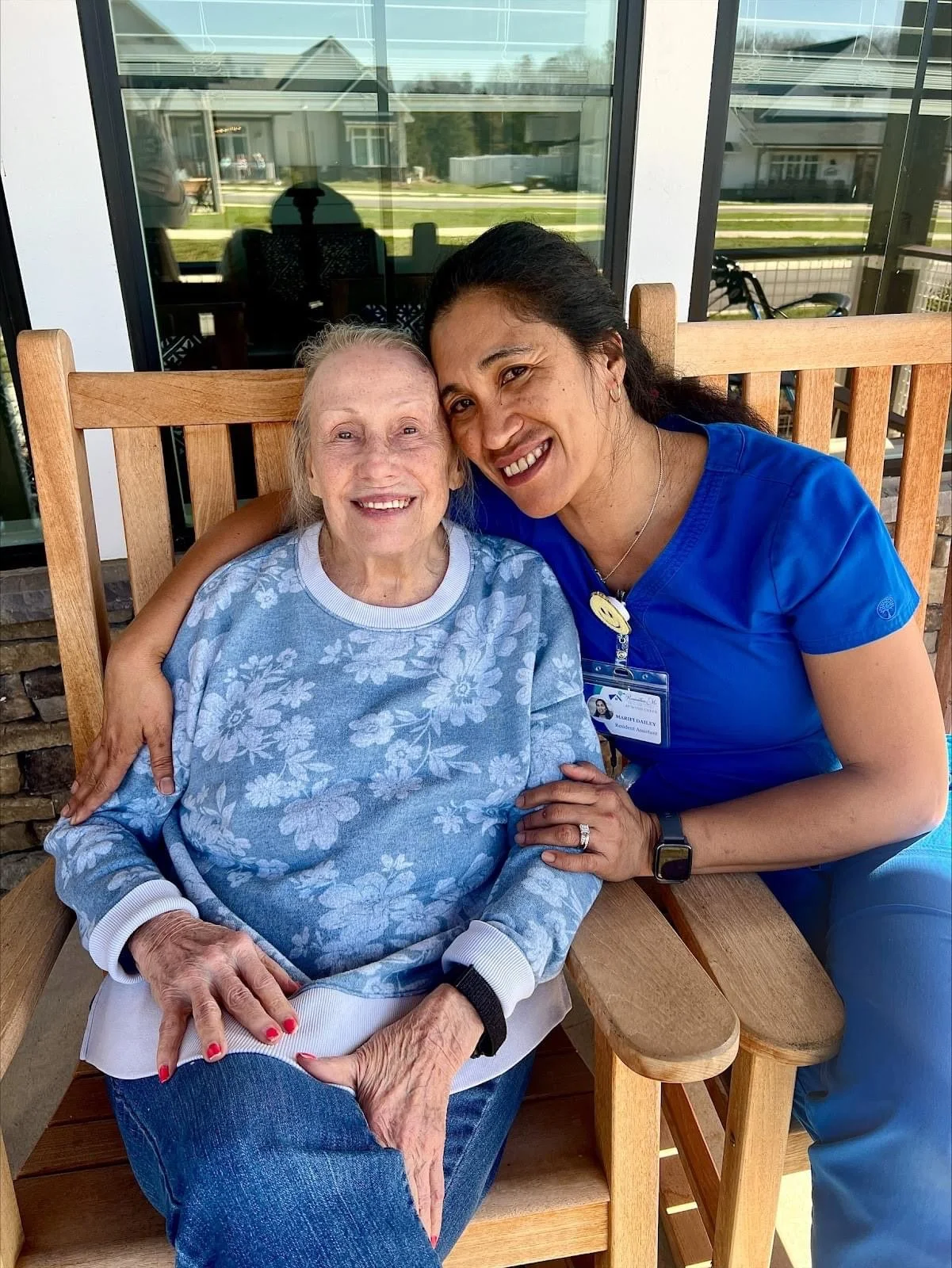
Transitioning a parent to senior living care can be emotionally challenging and comes with a set of unique considerations. It's a journey that necessitates careful planning, understanding, and support. We will delve into the essential steps to take when the time comes to explore senior living options for your loved ones.
Assessing the Need for Senior Living
The decision to move a parent to senior living care often stems from recognizing certain signs and evaluating their health, mobility, and daily living activities. Their Primary Care Physician is a great resource to assist in determining appropriateness for senior living care.
Recognizing signs that could indicate your parents may require senior living care:
- Physical Health Decline: Noticeable deterioration in mobility, chronic health issues, or difficulty in performing daily tasks.
- Memory and Cognitive Issues: Signs of forgetfulness, confusion, or cognitive decline, which may require specialized care and monitoring.
- Social Isolation: Withdrawal from social activities, leading to loneliness and potential mental health concerns.
- Safety Concerns: Evidence of accidents or unsafe living conditions, such as tripping or falling.
- Household Neglect: A decline in managing personal hygiene or maintaining their living space.

Researching Senior Living Options
Exploring different types of senior living communities:
- Active Adult: Designed for middle-aged adults, usually 55+, wanting to live independently but still have access to amenities and services.
- Independent Living: Offers a more autonomous lifestyle for those who can manage daily activities independently.
- Assisted Living: Ideal for those who need help with daily activities but desire some independence.
- Memory Care: Suited for individuals with more complex medical needs and require 24/7 care.
Considering financial factors:
- Budget Assessment: Understanding your financial capabilities and considering the costs associated with different senior living options.
- Insurance Coverage: Investigating if any insurance policies or government programs can help cover the costs of senior living.
Touring Senior Living Options
Once a senior living care option is decided for your loved one, it's important to schedule a tour and interview multiple communities and compare. A few questions to ask: What floor plans do you offer? Are residences furnished or unfurnished? Can residents personalize their space? What is your pet policy? What activities are available and how often? Is there a written plan of care? Do you offer payment assistance? Can meals be tailored to specific needs? Are visitors allowed at any time? Are religious services provided?
Get to Know Common Senior Living Terms
Researching senior living options will open up a new world of terms and phrases that you may not be familiar with. Below are commonly used terms:
- Care Plans – A detailed, individualized document that outlines the specific care and support required by an individual in a healthcare setting.
- Power of Attorney – A legal document that grants an individual the authority to act on behalf of another person in legal, financial, healthcare, or other specified matters.
- Living Will – A legal document that allows individuals to outline their preferences regarding medical treatment and healthcare decisions.
- Locked-In Financing – The rent and pricing a resident pays is locked in when the lease is signed and will not increase over time. At Remember Me, we are proud to offer this unique benefit.
- All-Inclusive Financing – Residents pay a flat monthly rate that includes everything the community offers, typically covering rent, meals, utilities, housekeeping, laundry, personal care, and programming.
- Geofencing – Technology that allows caregivers to set up a predefined location to get alerts if a wearer wanders outside of that zone.
- Wearable Technology – Any electronic device or system worn on the body, either as an accessory or embedded in clothing.
- ADLs (Activities of Daily Living) – Basic self-care tasks individuals perform daily, including personal hygiene, eating, and incontinence care.
- Medication Management – Monitoring and reconciling medications so patients get the desired outcomes.
- Physical Therapy – Focuses on large physical muscle movements for seniors with poor balance or decreased strength.
- Occupational Therapy – Focuses on fine motor movements and personal care tasks.
- Speech Therapy – Focuses on speech, language, or mouth-related concerns.
- Resident Assistant – Provides daily routine nursing care and support, particularly for those living with dementia.
- CNA (Certified Nursing Assistant) – Provides direct patient care under the supervision of an RN or LPN.
- LPN (Licensed Practical Nurse) – Provides basic nursing care under the supervision of RNs and other healthcare professionals.
If you'd like to talk to a professional regarding senior living care for your loved one, then contact us today. We'd love the opportunity to assist you in navigating options for your loved one.